Emotional Wellbeing in Schools Starts Small
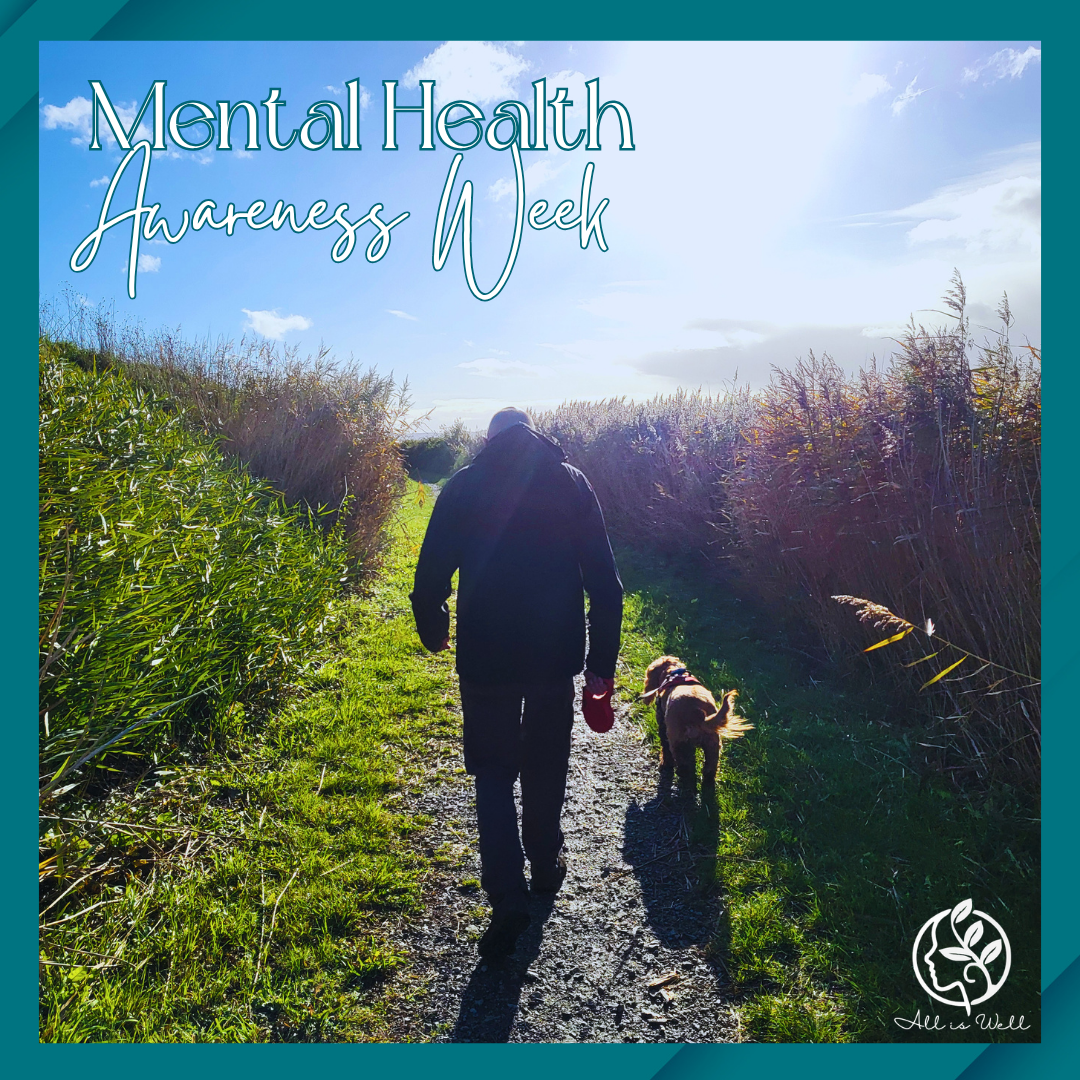
Written from the living room, where Lola has taken it upon herself to rearrange the cushions into what she clearly believes is a superior layout… and I’ve decided to pick my battles.
This week, with Mental Health Awareness Week in full swing, I’ve been thinking about something that rarely makes it into policy documents, but shows up everywhere that actually matters.
The small stuff.
Not the big initiatives or the shiny new strategies. Not the posters in the corridor telling us to “be kind” while everyone is quietly losing their minds before 9am.
The small stuff.
It started with something I watched that wasn’t small at all. I was sat with Lola waiting for the first session of the day to begin. She was ready. I was still in the process of becoming human. A teacher popped into the room after assembly, visibly relieved. Another member of staff followed her in just to say, “That really touched me. Thank you.”
That was it. No audience. No performance. No agenda. Just a sentence spoken out loud instead of quietly stored under “I’ll say that later and then forget”. And you could actually see what it did. Shoulders dropped, her breath changed and the tone of the room shifted in seconds. It was one of those moments where nothing “big” happens at all, and yet everything changes slightly anyway.
And I keep coming back to it because schools are full of those moments, if you know where to look.
We talk a lot about behaviour systems, wellbeing frameworks, pastoral structures, interventions, strategies, policies. And all of those things have their place. But the emotional climate of a school day is usually not shaped in meetings. It is shaped in passing. A “thank you” that is actually said instead of just thought. A “well done” that names something specific instead of disappearing into general praise. A “that mattered” said at the right moment, instead of three weeks later in a performance review, which feels forced and required rather than genuine.
These are not big interventions. They are not even really “interventions” at all. They are simply human moments and they matter more than anything else.
Children notice them immediately. Adults do too, even if we pretend we are just getting on with things. It is almost like the nervous system does not need a full briefing before it reacts. It just knows.
And once you start noticing it, you realise how much of school life is actually held together by these tiny exchanges.
A colleague quietly saying “you’ve got this” before a difficult lesson.
A child offering Lola a treat like it is an Olympic event requiring full tactical planning.
A shared look between staff that says “this morning is doing its best, isn’t it?”.
None of it is in any guide or handbook and none of it gets tracked or measured (thank goodness!), but it changes the temperature of a room. And that is where it links so clearly to what I see every day in my work with children. Because regulation is rarely built in big moments. It is built in repetition of small ones.
We see it with children and animals too. Which brings me neatly to Wednesday’s rather chaotic attempt at “training Lola for Britain’s Got Talent”, which mostly involved a spatula, some flying treats, and what can only be described as a group project with very some very strong ideas and opinions.
There was, of course, plenty of enthusiasm. There was even strategy. There was at least one moment where Lola was clearly wondering if she had accidentally joined a leadership programme….but then something interesting happened.
The more calm, clearer, and encouraging the children were, the more Lola engaged. Not because she suddenly developed a work ethic, but because the environment became easier for her to understand with no pressure. No confusion. No noise disguised as instruction.
Just simple, steady communication, with lots of praise for her tiny attempts.
And I know we can say “that applies to children too” and leave it there, but it is slightly more uncomfortable than that. Because it also applies to us adults too. We are no different in nervous system terms, even if we pretend we are.
When things are rushed, unclear, or emotionally noisy, we don’t perform at our best either. We just get better at hiding it.
But when communication is steady, specific, and human, something shifts. We settle. We think better. We respond better. We connect better. And in schools, or any work place to be honest, that is often the difference between a day that feels like coping, and a day that feels like it is actually working.
So maybe the real reflection from this week is not about doing more. It is about noticing more.
Noticing the sentence that could be spoken instead of left hanging.
Noticing the thank you that is sitting right there waiting to be said.
Noticing the moment where someone is trying their best and it would cost nothing to acknowledge it.
Because it turns out the smallest words are often doing the biggest work.
And most of the time, they are already there.
We just have to say them out loud.
At All Is Well Approach, this is at the heart of how we support emotional wellbeing in schools. Through trauma informed education, animal assisted intervention, play based intervention, and whole child support, we focus on the relational moments that help children and adults feel safe, seen and understood. Because sometimes improving behaviour, strengthening regulation, and building healthier school culture does not start with a new system.
It starts with a sentence.
If your school is looking to develop trauma informed practice or explore our interventions as part of your mental health provision, you can find out more at www.alliswellapproach.co.uk.
