All Is Well: PLAY
Connection, confidence and emotional growth through therapeutic play.
At All Is Well: PLAY, we use developmentally supportive, relationship centred play experiences to help children explore emotions, build confidence, strengthen relationships and develop regulation skills.
Play is one of the most natural ways children communicate. Through carefully planned activities, children are supported to express themselves, explore their experiences and develop new ways of understanding themselves and the world around them.
Every child plays differently. Our role is to create the space, relationship and opportunities for them to explore at their own pace.
What is PLAY?
At All Is Well: PLAY, we use developmentally supportive, relationship centred play alongside our trauma informed approach to emotional wellbeing.
Rather than expecting children to sit and talk about difficult feelings, PLAY provides different ways to communicate through doing, creating, moving, imagining and connecting. Activities are thoughtfully planned around the individual child, while leaving room for their interests, choices and curiosity to guide what happens.
Because sometimes children can show us far more through play than they can find the words to tell us.
Meet Sarah
Play Practitioner | Learning Mentor | Animal Lover | Owner of an entirely reasonable number of animals
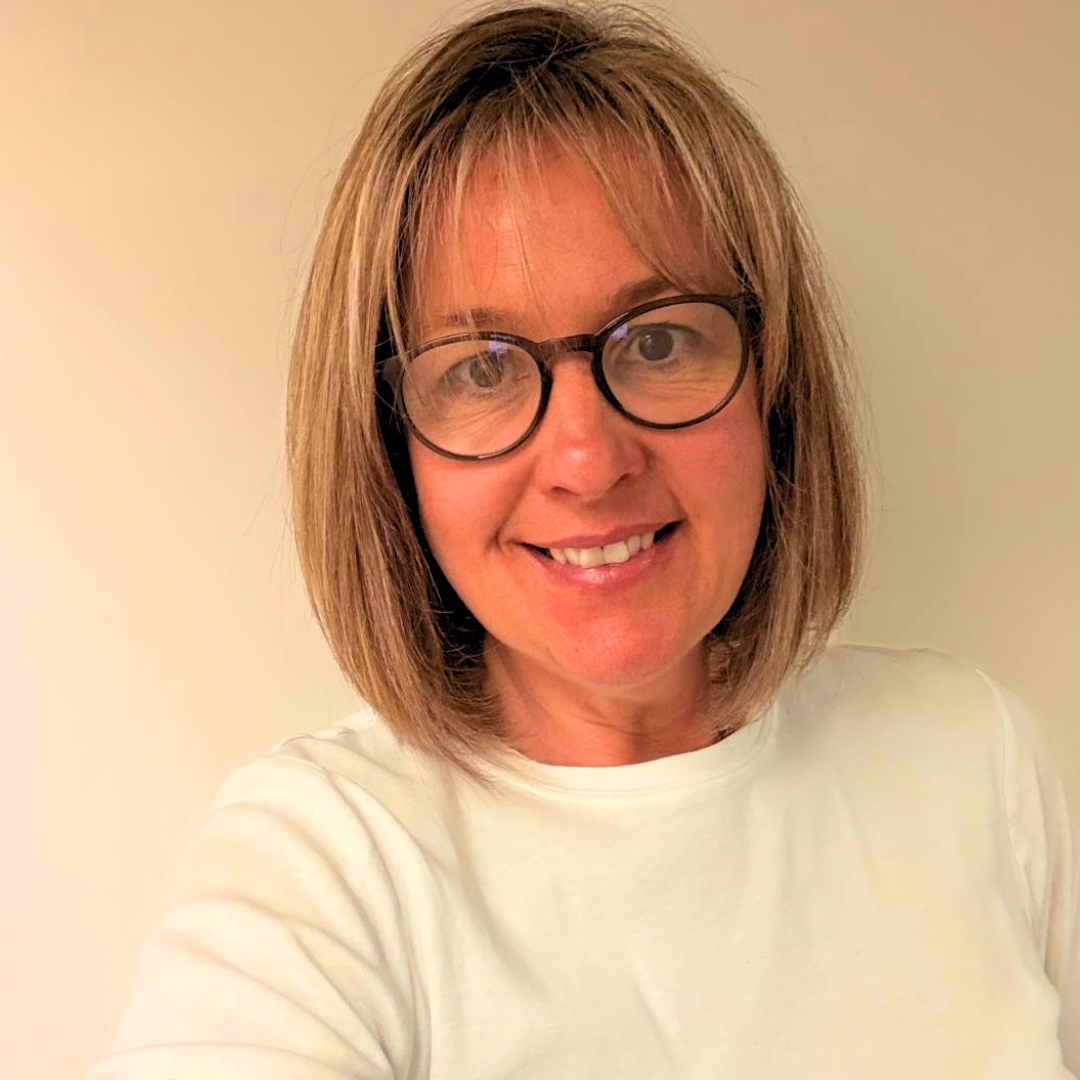
Sarah is one of those people who just seems to get children. She is warm, funny, caring and completely passionate about helping children feel safe, understood and able to be themselves.
Her background is in supporting children within the school system, including working as a Learning Mentor. During this time, she completed training in the Thrive Approach, further developing her understanding of children's emotional development, behaviour and relationships. She has always been drawn to the children who need someone to slow things down, listen properly and work out what might be sitting underneath the behaviour.
Sarah previously worked as an Animal Assisted Therapist, where she developed a real understanding of the power of relationship, connection and the right kind of support. During this time, she built strong, trusted relationships within the schools she worked in, becoming a familiar and valued part of the school community. She has now followed that passion in a slightly different direction, using play to give children another way to communicate, explore their experiences and make sense of things that can sometimes feel too difficult to put into words.
Sarah is currently studying with Play Therapy UK (PTUK), while working alongside the All Is Well Approach as our Play Practitioner and activity expert and mentor.
And because apparently supporting children isn't quite enough to keep her busy, Sarah is also a huge animal lover. Outside of work and studying, much of her time is spent with her family, including her beloved dogs and her horse. So she is very much at home in a world where muddy footprints, dog hair and someone needing a snack are just part of the day.
We are so lucky to have Sarah as part of the All Is Well Approach team. She brings warmth, humour, creativity and a genuine love of helping children.
Benefits of Play Approaches
Emotional wellbeing
Expressing feelings
Exploring difficult experiences
Building confidence
Developing self-awareness
Making sense of big feelings

Communication & connection
Finding ways to communicate
Building trust
Developing emotional literacy
Strengthening relationships
Being heard and understood
Confidence & independence
Making choices
Developing problem solving skills
Trying new things
Building resilience
Developing a stronger sense of self
What PLAY Sessions Look Like
Every PLAY session is different because every child is different.
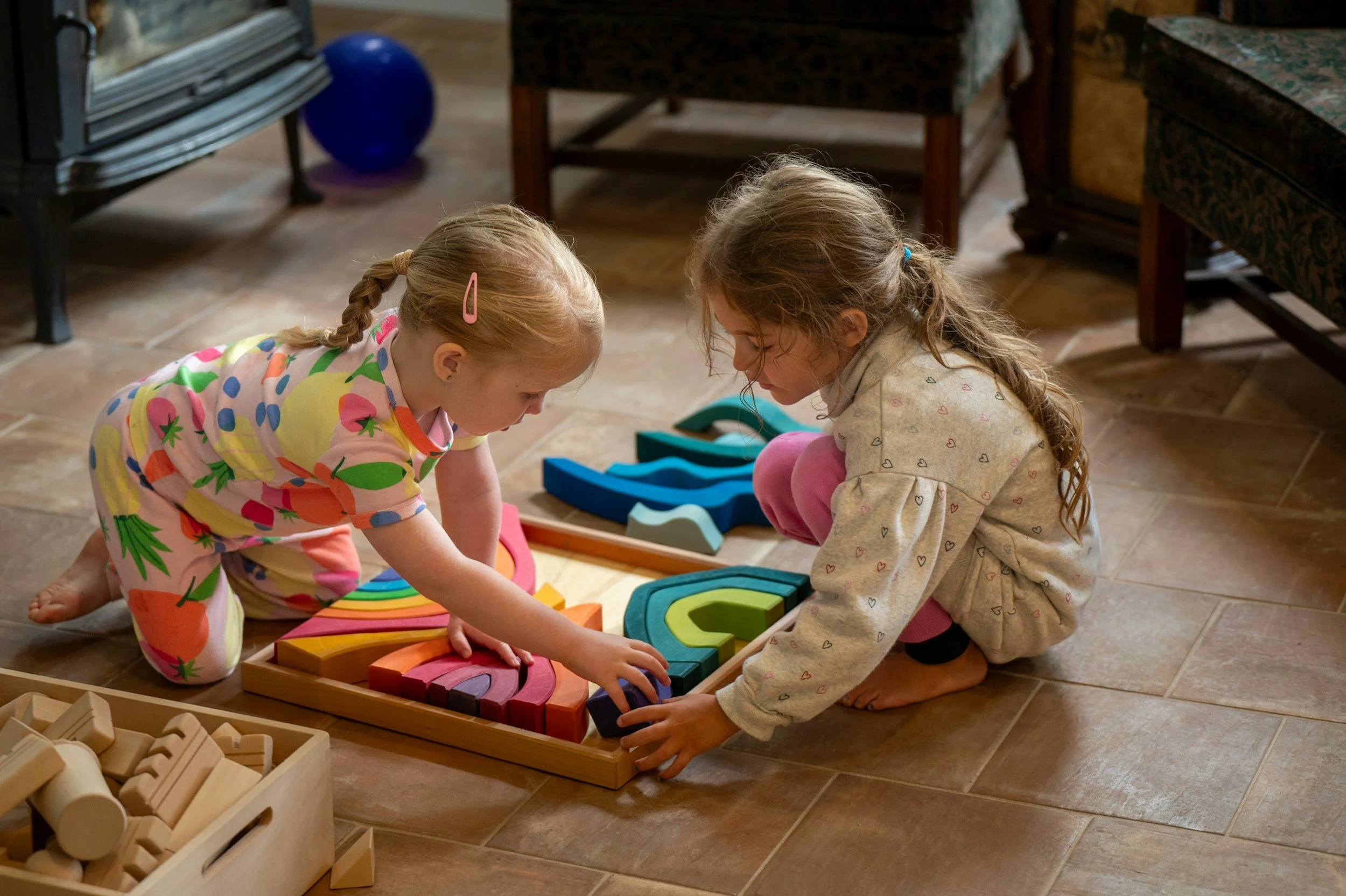
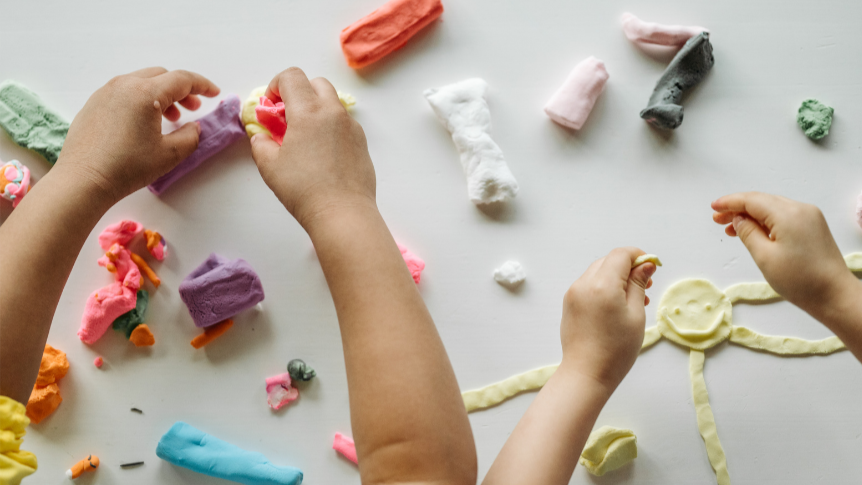
Depending on the child, their needs and what feels right for them, sessions might include:
Creative play experiences
Storytelling and role play
Movement and sensory activities
Games that support emotional literacy
Confidence building activities
Collaborative problem solving
Opportunities for reflection and conversation
Child led exploration and curiosity
The aim isn't to direct or correct children. It is to create opportunities for connection, self-expression and growth in ways that feel safe and accessible.
There is no expectation that a child has to talk about their feelings, join in with every activity or explain what is going on for them.
Children are always invited, never pressured.
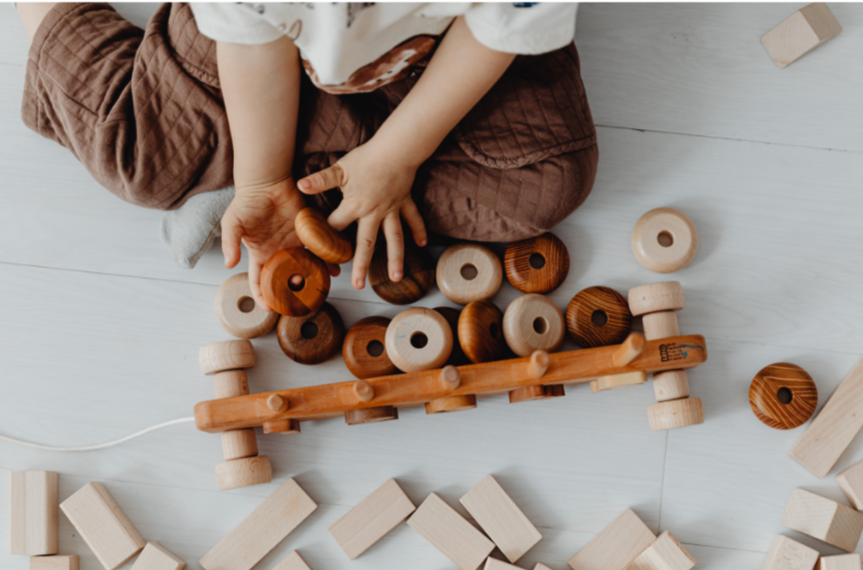
The Benefits of PLAY
Play is one of the most natural ways children communicate, explore and make sense of the world around them.
For some children, talking directly about feelings or difficult experiences can feel too much. Play gives them another way in. Through games, creativity, movement, stories and shared activities, children can explore what is going on for them without having to find all the right words.
Play can provide opportunities to:
Express and explore feelings
Build confidence and self awareness
Practise communication and social skills
Develop problem solving and decision making
Explore different ways of responding to situations
Experience success, choice and independence
Build trusting relationships
Practise regulation in a safe and supportive environment
At the All Is Well Approach, play is purposeful but it should still feel like play. We use child-led, developmentally appropriate activities alongside our trauma informed approach, giving children space to explore at their own pace and in ways that feel comfortable for them.
How PLAY Supports Connection and Regulation
Play isn't just something we do to fill the time. It can be part of the support itself. Through play, children can:
Explore emotions without having to talk about them directly
Practise regulation through movement, rhythm and repetition
Build trust through shared experiences
Try out ideas, make choices and solve problems
Develop emotional literacy and communication
Experience connection without pressure
When a child becomes absorbed in an activity and begins to feel more comfortable, there can be opportunities for gentle conversation, storytelling, reflection and exploring feelings.
There is no expectation that a child has to sit down and tell us everything that is wrong.
Sometimes, the best conversations happen when we're busy doing something else.
Ready to Find Out More?
If you're wondering whether All Is Well: PLAY could support the children in your school or setting, we'd love to hear from you.
Let's talk about the children you're supporting and how PLAY could become part of their journey.