
When we think of Remembrance, we often think of the people who served. This week, I'd like to share the stories of two extraordinary dogs and reflect on the remarkable bond between humans and animals.
Every November, we see the red poppy and take a moment to remember the people who served, sacrificed and lost their lives during times of conflict.
It’s such an important tradition.
What we perhaps think about less often are the animals who stood alongside them.
Horses, dogs, pigeons and many other animals played important roles during wartime. They carried messages, transported supplies, searched for the injured and provided companionship during incredibly difficult times.
Their stories deserve to be remembered too.
Meet Judy
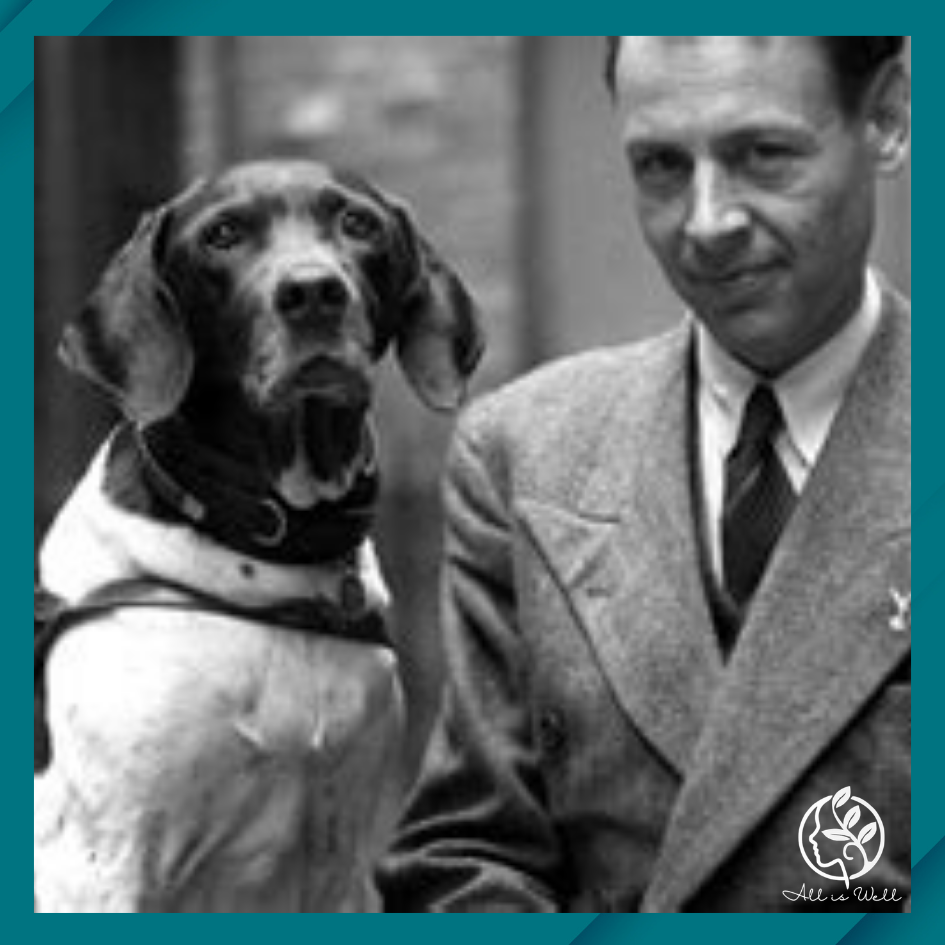
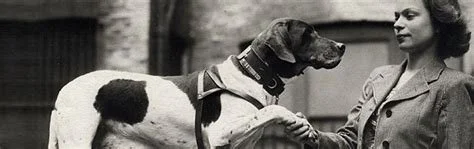
I'd like to introduce you to Judy, an English Pointer who became the only dog officially registered as a prisoner of war during the Second World War.
Judy was a ship's mascot aboard HMS Grasshopper in the Far East. When the ship was attacked and the crew were forced to abandon it, they found themselves stranded on an island without fresh water.
It was Judy who discovered a freshwater spring, helping the stranded crew survive.
But, her journey didn't end there…
Judy was eventually captured and taken to a Japanese prisoner-of-war camp. It was there that she met RAF serviceman Frank Williams, who began sharing his limited food rations with her.
The two became inseparable.
Frank cared for Judy throughout their captivity, and she became a source of companionship and comfort for him and the other prisoners.
Their journey was far from over. Judy survived further hardship, including a ship being torpedoed while she was being transported with prisoners. She survived the sinking and was eventually reunited with Frank.
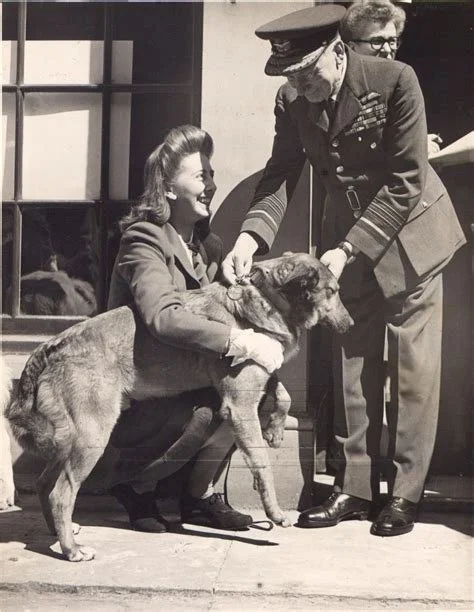
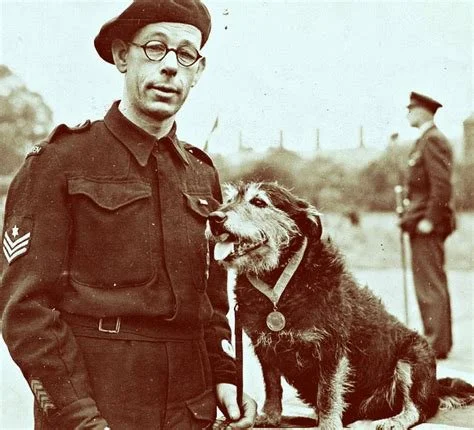
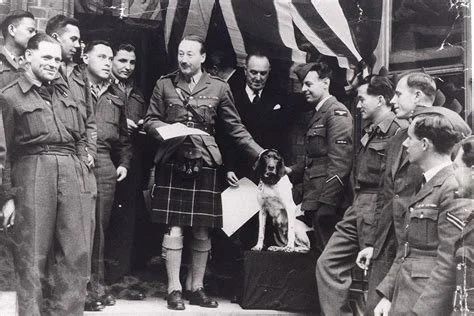
In 1946, Judy was awarded the PDSA Dickin Medal in recognition of her courage and endurance, and the part she played in helping to maintain the morale of her fellow prisoners.
Judy remained with Frank until her death in Tanzania in February 1950.
It's difficult not to be moved by that relationship. In circumstances where so much had been taken away, they gave each other something that couldn't be rationed or confiscated: companionship.
Then there's Rip…
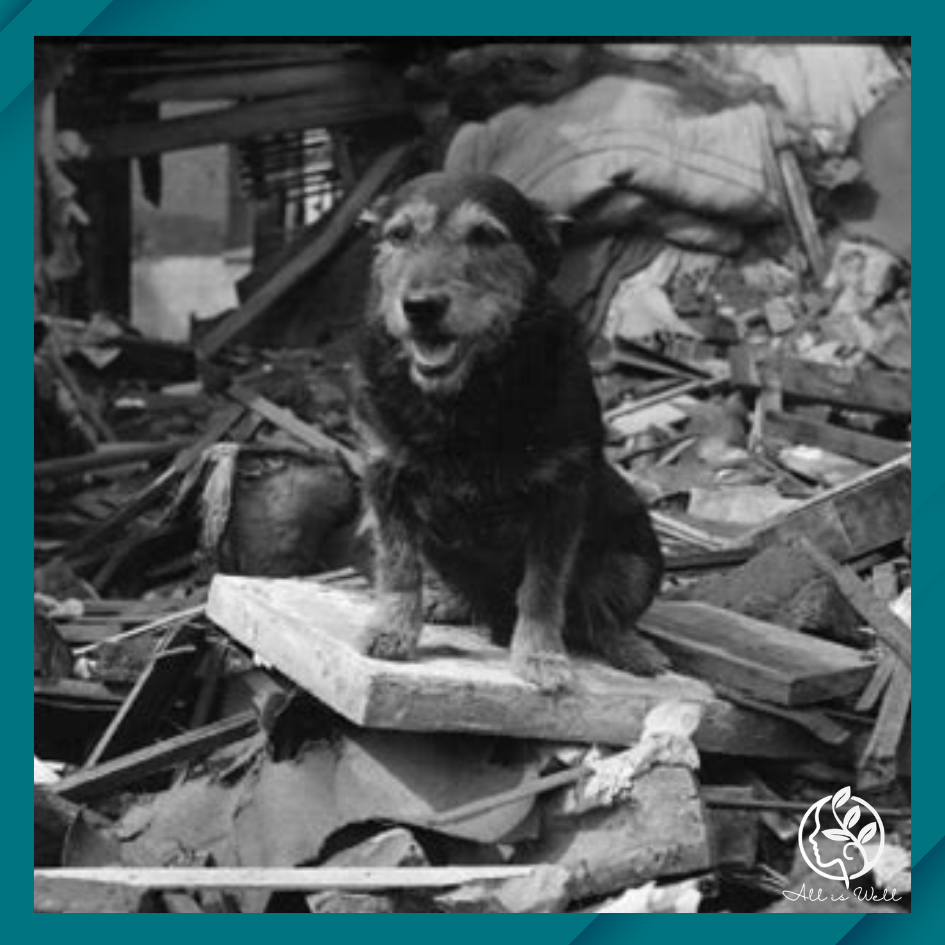
Rip was a scruffy stray dog found in Poplar, London, during the Blitz in 1940.
An Air Raid Warden, E. King, took pity on the hungry little dog and began feeding him.
Rip soon became part of the local Civil Defence Squad. It quickly became apparent that Rip had a rather special ability…
He could sniff out people trapped beneath the rubble of bomb damaged buildings. He had no formal search and rescue training, but he developed an extraordinary talent for finding survivors.
Over a twelve month period, Rip is believed to have helped save more than 100 people.
He was awarded the PDSA Dickin Medal in 1945 for locating air raid victims.
His headstone carries the words: "We also Serve".
A simple phrase, but one that says an awful lot.
A bond that continues
The stories of Judy and Rip belong to a particular moment in history. Their courage, contribution and the circumstances they endured should never be forgotten. For me, though, these stories aren't just about history.
Animals have been part of human lives for thousands of years. They have worked alongside us, protected us, helped us, kept us company and, in some of our darkest moments, offered comfort and connection.
The roles may have changed, but animals are still helping people every day.
From assistance and rescue animals to those supporting people in therapeutic settings, they help people navigate challenges, build confidence, feel connected and sometimes simply feel a little less alone. Of course, the circumstances are very different. We aren't comparing the experiences of animals in wartime with those of animals today. But there is a thread running through all of these stories: the remarkable relationship between humans and animals, and the many ways that relationship shapes our lives.
Through my work with Lola, I'm reminded of that bond all the time.
A moment of connection, a smile, a little confidence returning, or simply a child feeling comfortable enough to be themselves. They may seem like small moments, but they're often the moments that matter most.
We owe so much to the animals who have stood alongside us throughout history, and perhaps we don't always stop to acknowledge just how much.
The red poppy remains a familiar symbol of remembrance. The purple poppy offers another way to recognise the animals who served and died alongside humans during conflict.
One doesn't replace the other. Both help us remember lives, stories and sacrifices that should not be forgotten.
And perhaps that's the point.
Behind every medal, photograph or historical account was a living being who experienced those events in real time.
This Remembrance, as we honour the people who served and sacrificed, let's spare a thought for the animals who stood alongside them too.
They carried messages.
They searched for survivors.
They offered comfort.
They saved lives.
And in some cases, like Judy and Frank, they simply helped one another endure.



1. The National Archives: Judy, the only dog registered as a prisoner of war. It includes historical records, her medal citation and details of her relationship with Frank.
2. PDSA: Judy's Dickin Medal story. An excellent account.
3. PDSA: Rip, Dickin Medal recipient. The original organisation's account of his rescue work.
4. Ministry of Defence: Judy: The dog who became a prisoner of war. Government historical feature with further context.
5. PDSA: The history of the Dickin Medal. Explains the award and its significance.
6. House of Commons Library: Remembrance Day and Remembrance Sunday: FAQs. Background on the red poppy and remembrance traditions.
