Why Inclusion Can’t Be Announced. We Feel It.
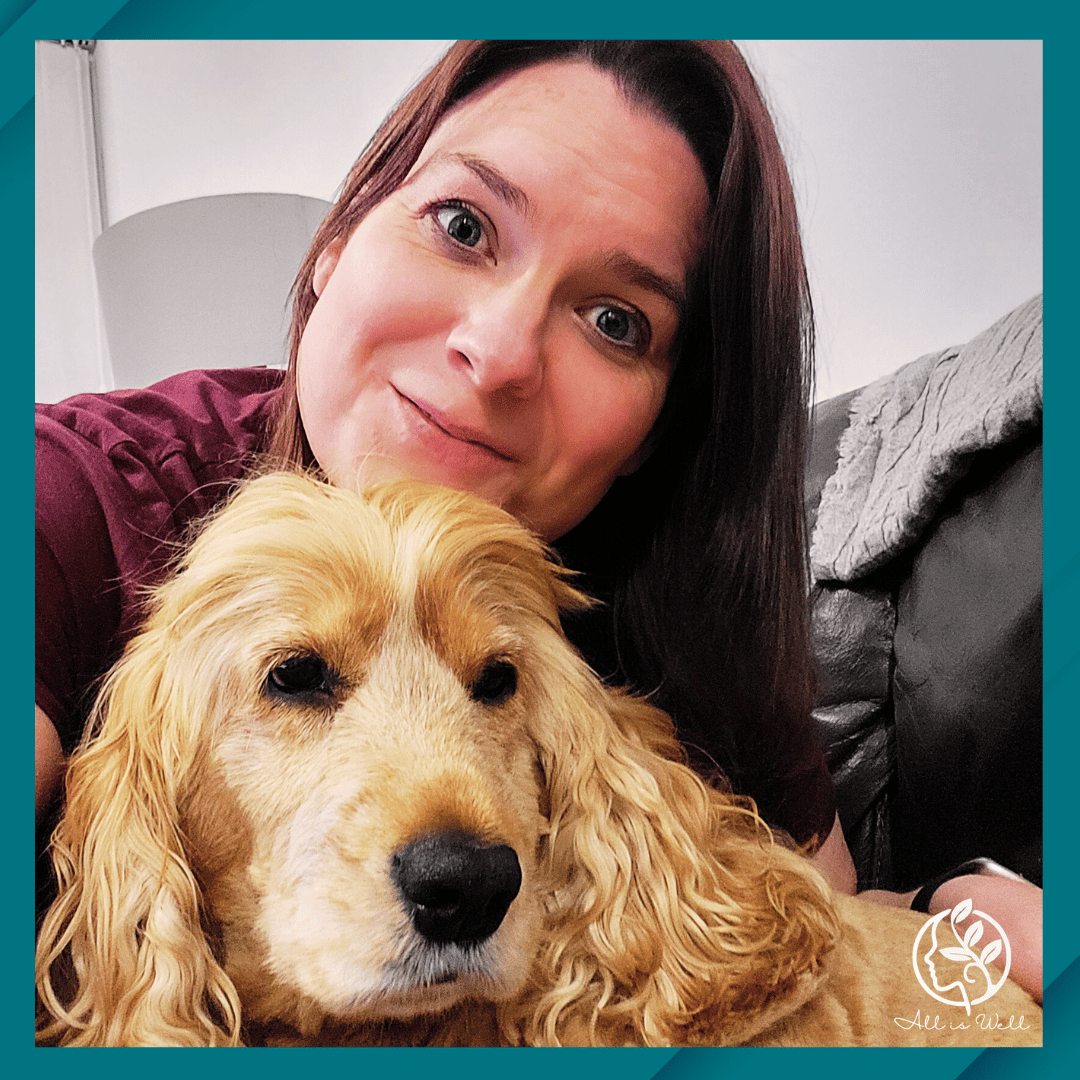
I’m writing this from my sofa on a lesser spotted sunny day, where Lola has spent the afternoon “helping” me read the new SEND White Paper by sitting directly on top of it. Spaniels are always very helpful, I find.
A bold stance on policy, perhaps. Though I suspect she was really checking whether I was regulated enough to share my biscuits.
Most of us know what it feels like to walk into a room and instantly scan it.
Am I welcome here?
Am I too much?
Am I not enough?
Should I tone it down?
Should I say less…or more?
That split second calculation isn’t personality. It’s your nervous system. Before you’ve even consciously thought anything, your body has already decided whether this is a place you can exhale, or whether you need to brace, or even flee out of the situation as fast as you possibly can.
We talk a lot about inclusion these days. Especially this week, with the release of the much anticipated SEND White Paper 2026, Every Child Achieving and Thriving. Schools talk about it. Workplaces talk about it. Organisations have statements about it. Some of them are beautifully written. But nobody has ever relaxed because of a laminated mission statement in a folder. Inclusion isn’t about what’s written on the wall on a fancy poster. It isn’t even the carefully crafted buzzwords filling social media posts like giant neon signs.
It’s about what’s felt in the body.
It’s the difference between walking into a meeting and feeling like you can contribute and have purpose and meaning, or walking in already rehearsing how to sound “acceptable.”
It’s the difference between a child raising their hand in the classroom or a child staring at their desk, making themselves as small as humanly possible, hoping not to be noticed.
Children constantly scan rooms. They just don’t have the language for it.
When a child shouts, withdraws, refuses, jokes too much, or “overreacts,” we often reach for behaviour systems - consequences, missed playtimes, star charts or the latest strategies. And don’t get me wrong, sometimes those things are quite useful. But underneath all of it is a much simpler question: Does this child feel safe here?
Not controlled. Not managed. Not ‘coped with’. Truly safe.
And none of this is about perfection. It’s about whether mistakes are survivable. Whether emotions are allowed. Whether someone notices when you’re struggling instead of labelling you as the struggle.
The truth is, adults aren’t that different.
When we don’t feel safe, we armour up. We get sharp. Or overly polite. Or very efficient. Or very quiet. Or suddenly “fine.”
We over explain. We under share. We perform competence.
We withdraw before we can be excluded.
Now imagine being eight and feeling that same weight on your small shoulders.
Inclusion isn’t about treating everyone the same. It’s about recognising that some nervous systems need more reassurance than others, and that doesn’t make them difficult. It just makes them human.
It also means acknowledging something we don’t say enough:
Teachers can’t create safety if they don’t feel safe themselves.
Parents can’t co-regulate when they’re running on fumes.
Leaders can’t model inclusion if they’re terrified of getting it wrong.
What I’m trying to articulate is this: nobody is the villain in the story. Most people are doing their best inside systems that move fast and demand more. And while the White Paper sets out important structural ambitions around consistency, accountability and early support, schools can’t deliver meaningful change without the time, staff and support to do it.
That’s why real inclusion always starts with safety (whether we are talking about in classrooms, offices or playgrounds), not just in policy documents.
It looks like noticing the child who hovers at the edge of the playground. It looks like checking in with the member of staff who always says they’re “fine.” It looks like creating classrooms, workplaces, and conversations where nobody feels they have to shrink to stay.
It’s less about policies. More about presence.
Less about saying the right thing. More about being the kind of environment where nervous systems can settle.
Because when people feel safe, they learn. They contribute. They connect. They grow. They achieve. They thrive.
And that’s true whether you’re five, thirty five, or sixty five.
We are, ultimately, on the same team.
It doesn’t always feel like it, especially when systems are stretched and emotions are high, but most people in this space care deeply. The White Paper won’t solve everything overnight, but it has started conversations. It has opened doors to possibilities. And that in itself matters. Real change doesn’t happen because one document exists. It happens when people keep talking. Keep listening. Keep working together…even when it’s uncomfortable.
Overall, this isn’t about being perfect. It’s about creating spaces where nobody has to armour up just to exist as themselves. For children. For staff. For parents.
For all of us, really.
If this sparked something for you, start there. Notice what safety feels like in your own body. Then consider how we create more of that…for children, for staff, for families.
I write regularly about trauma informed education and practical ways to build emotional safety in schools and communities.
If you’d like to share your thoughts or stories, I’d genuinely love to hear from you.
