Why Calm & Play Matter More Than Ever in Schools
Written from that space inbetween “I should probably rest now” and “I just need to write this down while it’s still in my head”.
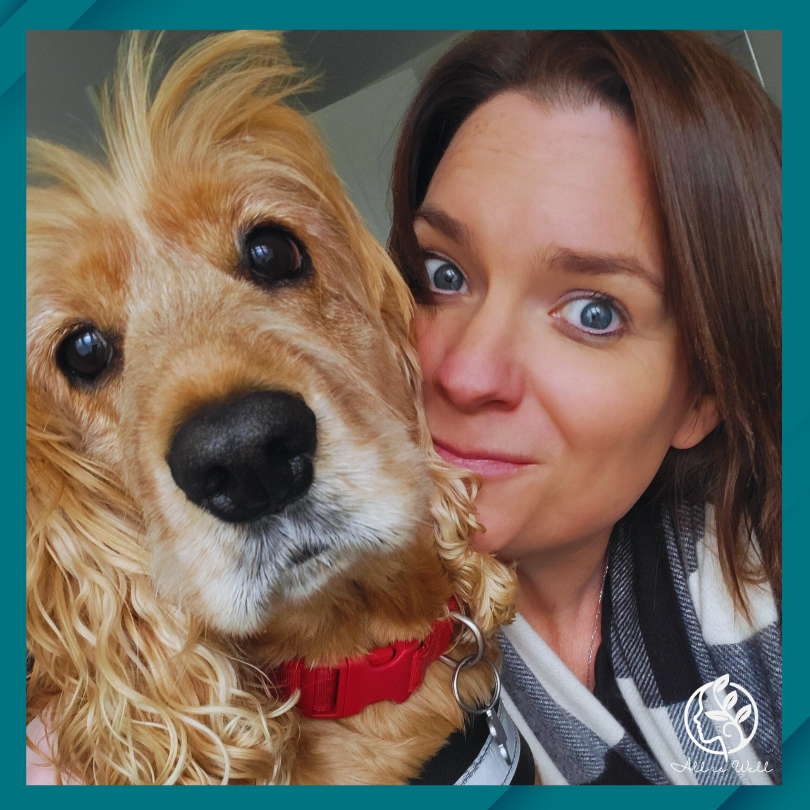
And there’s a dog at my feet who believes calm is non negotiable and urgency is optional (unless food is involved!). She’s been quietly modelling this all day. Meanwhile, schools on a Monday tell a very different story…
Monday arrives loudly.
Bags dropped. Timetables switched on. Adult brains already racing three steps ahead, colour coded and caffeinated.
And children? They’re expected to slide straight back into focus, learning, behaviour, regulation…as if the weekend politely packed itself away overnight. (If only nervous systems were that organised.)
But bodies don’t work like that.
Earlier this week I shared a child’s words that stopped me mid scroll:
“I like it when it’s quiet and nothing is rushed.”
Year 3. No training. No CPD. Still absolutely nailed it.
Because that one sentence tells us more about safety than most behaviour policies ever will. Not stickers. Not rewards. Not ‘use your best listening’. Just quiet. Unrushed. Predictable enough for the body to soften.
And then comes play.
Often tolerated. Sometimes timetabled. Frequently misunderstood.
Despite what adult brains like to insist, play isn’t ‘just play’. It’s where bodies test safety. It’s where regulation sneaks in sideways. It’s where children process things they don’t yet have words for, usually while we’re busy wondering why they won’t sit still. With Lola, play can look fairly chaotic if you’re watching with an adult brain.
Buttons are pressed repeatedly for reasons known only to the child (and possibly the universe). Snacks are hunted with the focus of a full time profession. There are sudden launches into the air, followed by dramatic flopping down like the job is done and someone deserves a break.
Lola, naturally, supervises all of this with the calm confidence of someone who knows regulation can’t be rushed and sees no reason to pretend otherwise.
But if you’re watching through a nervous-system lens, it makes perfect sense.
Movement first.
Then connection.
Then, sometimes much later, words and processing.
Which brings me to the bit we often miss.
The quiet middle ground.
The moment between ‘right, let’s get started’ and full body play. The pause where nothing obvious is happening. No output. No visible progress. No measurable learning objective being ticked off.
From the outside, it can look like nothing.
From the inside, it’s everything.
That space matters.
Because regulation isn’t something we demand. It’s something that emerges when the conditions are right.
A safe enough adult.
A calm enough environment.
Permission not to perform.
Time that isn’t constantly chased.
This is the work I care about most. Not fixing children. Not managing behaviour. But creating moments where children (and adults, if we’re honest) feel safe enough to breathe.
Sometimes that looks like play.
Sometimes it looks like stillness.
Sometimes it looks like a therapy dog lying quietly nearby, doing absolutely nothing useful by adult standards.
Lola is exceptionally skilled at this. It’s arguably her greatest talent.
And sometimes it looks like listening properly when a child tells you exactly what they need.
Quiet.
Nothing rushed.
Honestly? Same.
If you’re reading this and thinking your school or setting could do with more space for calm, play, and nervous-system regulation, not as an add on, but as a foundation, we should probably talk.
I work with schools to support trauma informed practice through play based regulation, calm adult presence, and animal assisted intervention, often with a quietly regulating therapy dog who doesn’t rush anyone.
No quick fixes. No gimmicks. Just practical support that fits real classrooms.
If that sounds useful, get in touch for a chat. Low pressure. No rushing. Naturally.
